Sedation Dentistry
for Dental Implants
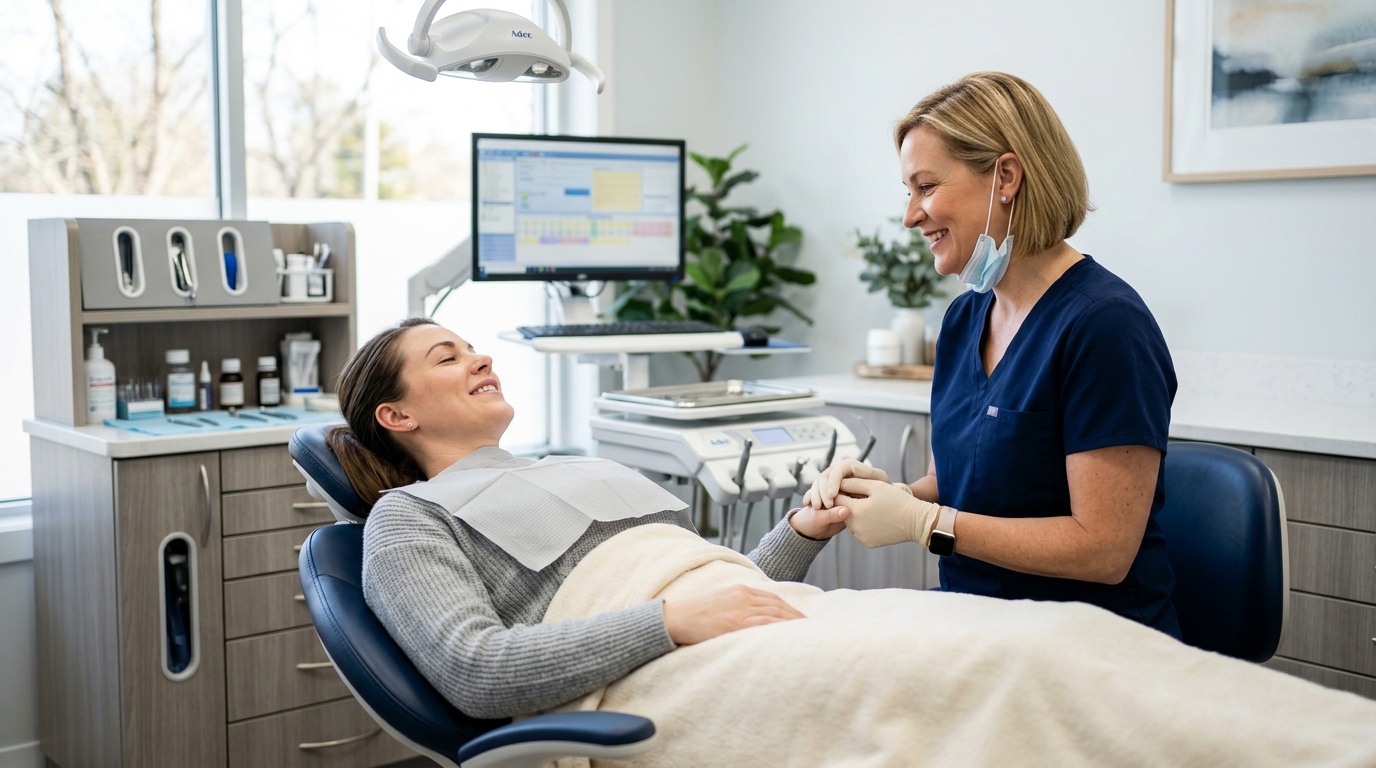
Sedation Dentistry for Dental Implants in Boynton Beach, FL
An implant consultation is the right time to talk about dental anxiety, past problems with numbing, and concerns about a long appointment. The options available will depend on your procedure, health history, medications, airway, and the office’s sedation permits. Call (561) 600-4747 to schedule your evaluation.

Not sure how to start?
Wondering if permanent teeth are right for you? Want to know more about the cost of whole treatment? Call to schedule a consultation and get your questions answered by our experienced team.
(561) 600-4747Are You Put to Sleep for Dental Implants?
Usually, no. Many patients stay awake with local anesthesia, while others receive medication that reduces anxiety and awareness. Full unconsciousness is a different level of care and is not needed for every implant procedure.
Terms such as sleep dentistry and conscious sedation during implant surgery can be confusing. Ask what level is planned and how responsive you are expected to be.
- Local anesthesia numbs the surgical area without changing consciousness.
- Minimal sedation helps you relax while you remain awake and responsive.
- Moderate sedation reduces awareness, though you can still respond to prompts. Memory varies.
- Deep sedation creates a lower level of consciousness.
- General anesthesia produces unconsciousness.
What Sedation Options May Be Used for Implant Surgery?
Our Boynton Beach team should confirm the available options before surgery is scheduled. The choice depends on your health screening, the planned treatment, provider credentials, and the care setting.
Local Anesthesia: Local anesthesia numbs the implant site. You remain awake and may notice pressure, sound, or movement even though the area should not feel sharp pain.
Nitrous Oxide or Minimal Sedation: Minimal sedation can reduce anxiety while you remain responsive. The team should explain how it is given, how long the effects may last, and whether you need someone to drive you home.
Oral or IV Sedation for Dental Implants: Oral or IV moderate sedation can make you drowsy and less aware while still able to respond. IV sedation for dental implants is not automatically general anesthesia, and some people remember parts of the appointment.
Deep Sedation or General Anesthesia: These levels involve much less awareness or full unconsciousness. They require specific credentials, monitoring, and recovery protocols.
Will I Feel Pain or Remember Dental Implant Surgery?
Local anesthesia controls pain at the surgical site. Sedation helps with fear, tension, awareness, and the ability to tolerate the appointment. You may receive both because they do different jobs.
Pressure, vibration, sound, or movement may still be noticeable. Memory depends on the medication, sedation level, and personal response, so no one should promise that you will remember nothing. Tell the team if you have struggled to get numb or had a difficult reaction during past dental care.
Who May Benefit From Dental Implant Sedation?
Sedation may be worth discussing if anxiety or physical discomfort makes implant care difficult. Common reasons include:
- Severe dental fear or years of avoiding treatment
- A strong gag reflex
- Difficulty staying still or keeping the mouth open
- A past distressing dental or anesthesia experience
- Several surgical sites or a longer appointment
Wanting sedation does not automatically mean it is medically suitable. The dentist planning your care in Boynton Beach may need to review your airway, health history, and current medications first.
How Is Sedation Planned for a Single Implant or Full-Arch Surgery?
The procedure name does not determine the sedation level by itself. Appointment length, number of treatment sites, extractions, grafting, anxiety, airway findings, medical history, and your ability to remain still all matter.
A person having one tooth replaced with an implant may still want to discuss sedation if dental anxiety is severe. A shorter procedure is not always an easy appointment for someone who has avoided dentistry for years.
Full-arch care such as All-on-4 dental implant treatment or temporary teeth placed on the day of surgery can involve several steps in one visit. Sedation for All-on-4 still requires personal screening rather than an automatic protocol.
Treatment involving zygomatic implants for severe upper-jaw bone loss or implant-supported dentures may take longer. A full-mouth reconstruction plan may spread treatment across several visits. Your team should explain the planned awareness level, who gives the medication, and what support you will need afterward.
Is Dental Sedation Safe for Older Adults or People With Medical Conditions?
Age by itself does not decide whether someone can receive sedation. Sleep apnea, heart or lung disease, diabetes, kidney or liver problems, pregnancy, and past anesthesia reactions may change the plan or call for medical clearance.
Bring a complete list of prescriptions, over-the-counter medicines, vitamins, and supplements. Mention allergies, CPAP use, nicotine, alcohol, cannabis, and any recent fever, cough, infection, or breathing problem. These details matter even if they seem unrelated to your teeth.
Sedation screening is separate from the health and bone factors used to assess dental implant candidacy. Do not stop or change a regular medication unless the dental clinician and prescribing professional give you specific instructions.
How Do You Prepare for Dental Implant Sedation?
Preparation depends on the medication and level planned for you. Follow the written instructions from the office rather than general advice online.
- Food and drink: Follow the fasting window given by the office.
- Regular medication: Share a complete medication and supplement list. Do not change anything unless instructed by your dental and prescribing clinicians.
- Arrival and transportation: Arrive at the stated time and arrange a responsible adult if an escort is required. A ride-share driver may not qualify.
- Clothing and removable items: Wear comfortable clothing and follow instructions for contacts, dentures, jewelry, and nail products.
Call our Boynton Beach office if your health changes before surgery. A new cough, congestion, fever, infection, or medication may affect the plan.
What Happens During Monitoring and Recovery?
Monitoring and recovery depend on the sedation level and your health. Before treatment, the team should explain who gives the medication, which vital signs are watched, and what must happen before you can leave.
If an escort is required, arrange for a responsible adult to take you home and stay for the time stated by the office. Avoid driving, work, alcohol, machinery, or important decisions until the restriction ends. The surgical instructions will also cover oral care and eating, with soft-food ideas for the first days after implant surgery helping you plan meals in advance.
How Much Does Sedation for Dental Implants Cost?
Sedation may be included in the surgical estimate or billed separately. The fee can depend on the sedation level, appointment length, administering provider, monitoring, and care setting.
Ask for a written estimate that lists sedation on its own. If it is a separate charge, ask whether it can be included in dental implant financing and payment plans.
What Should You Ask Before Implant Surgery?
Before agreeing to sedation, ask:
- What level is planned, and will I be able to respond?
- Who will give the medication, and which credentials or permits apply?
- What monitoring will be used?
- What do I need to do before the appointment and after I return home?
- Which symptoms require a call to the office or emergency care?
Discuss Implant Sedation During Your Consultation in Boynton Beach, FL
If fear or concern about awareness has kept you from pursuing implants, contact Florida Dental Implant Specialists to discuss sedation. Our team can review your health, planned procedure, and comfort concerns before recommending any form of dental implant sedation. Call (561) 600-4747 to schedule your consultation.
Questions Boynton Beach Patients Ask About Implant Sedation
Our Difference
No referrals needed
Referrals and waiting
Years of expertise
Limited experience
Immediate functionality
Temporary solutions
Precision placement
Less accurate
Flexible financing
Unexpected costs
Warranty protection
No guarantees
Boynton Beach, FL 33472
Explore Sedation Dentistry in Boynton Beach, FL
If fear or concern about awareness has kept you from pursuing implants, sedation may make treatment possible. Most forms of dental implant sedation keep you responsive rather than fully unconscious.
Schedule your free consultation in Boynton Beach, FL to review your health, planned procedure, and comfort concerns before any sedation is recommended. Our Palm Beach County dental office serving areas:
- Zygomatic Dental Implants in Boynton Beach
- Zygomatic Dental Implants in Delray Beach
- Zygomatic Dental Implants in Aberdeen