Convert Your Dentures
Without Starting Over

Can Your Existing Dentures Be Converted To Implant Dentures?
- Affordable Financing
- Down Payment Required
Explore Our Implant Offerings
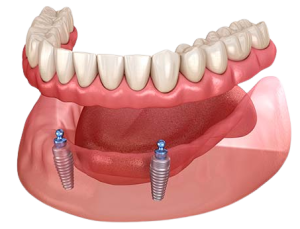
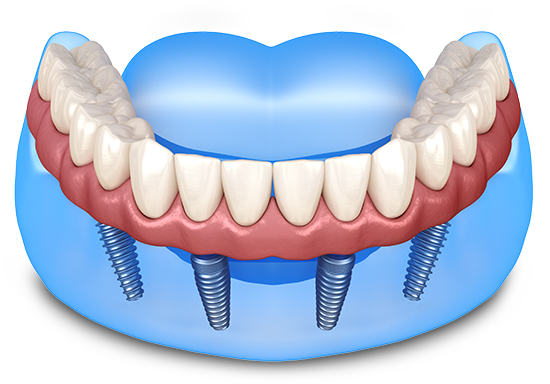


Permanent Zirconia Teeth (Double Arch)
- Complete oral evaluation
- Cone-beam CT scan
- Up to 6 implants per arch
- Provisional and final zirconia prosthesis
- Expert team care for life-changing results
- Can be combined with family members or friends
Solutions that work for daily lives.
With advanced 3D technology and a full surgical and prosthetic lab onsite, we’re proud to deliver fast, precise care that puts your comfort and budget first. Please call (561) 600-4747 if you have any question.
Cost of Implant Dentures
Transparent pricing with flexible financing options to fit your budget

Not sure how to start?
Wondering if permanent teeth are right for you? Want to know more about the cost of whole treatment? Call to schedule a consultation and get your questions answered by our experienced team.
(561) 600-4747Your existing denture may be able to attach to dental implants, giving it more stability without replacing the entire appliance. Whether that is possible depends on its condition, how well it fits, and whether there is enough room to add the attachments.
The first step is to assess the denture you already wear alongside your mouth and the proposed implant positions. Some dentures can be adapted successfully. Others have worn teeth, a poor fit, or a thin base that makes a new denture a better choice. Converting a denture to a removable snap-in appliance is also different from providing fixed teeth.
Can My Existing Dentures Be Used With Dental Implants?
Sometimes, yes. A denture in good condition may be modified to connect to implants, but looking intact is only part of the assessment.
Your dentist checks how the denture sits against your gums, how the teeth meet, and whether the base can accommodate attachment housings without becoming too weak. These housings sit inside the denture and connect to components fitted to the implants.
The denture’s age alone does not settle the question. An older denture may still have a sound base and usable teeth, while a newer one may lack the space needed for attachments.
Your mouth needs a separate assessment too. Your oral health and available jawbone help determine whether implants are appropriate and where they can be placed. A denture that can be modified is useful only if it works with a suitable implant plan.
What Makes A Denture Suitable For Conversion?
A suitable denture needs enough strength and space for the attachments, along with a fit and bite that can be maintained or corrected. Adding clips does not resolve every problem with an existing denture.
| Factor | What Your Dentist Checks | Why It Matters |
|---|---|---|
| Fit against your gums | Whether the base sits evenly, rocks, or creates pressure points | A poorly fitting denture may need a reline or replacement before attachments can work properly |
| Base condition | Cracks, previous repairs, distortion, and thin areas | Making room for housings can weaken an already damaged base |
| Tooth wear and bite | Whether the teeth are badly worn and how they meet | Holding a denture more firmly does not correct an uncomfortable or uneven bite |
| Space for attachments | Room between your gum ridge and the opposing teeth | The components need to fit without crowding the teeth or making the denture unnecessarily bulky |
| Material around the housings | How much sound material will remain after modification | Too little material can increase the risk of fracture |
| Cleaning and handling | Whether you can remove, reseat, and clean the denture | The finished appliance needs to suit your daily routine |
These factors are considered together. A denture may need a manageable adjustment, such as a reline, or it may have several problems that make conversion less worthwhile.
If extensive repairs are needed before attachments can be added, compare that work with the cost of a new denture. Reusing the existing appliance should offer a practical benefit, rather than preserve something likely to need replacing soon.
Three Options After Your Denture Assessment
Your assessment may lead to adapting the current denture, making a new implant denture, or planning separately for fixed teeth. The recommendation should explain what can be reused and what needs to change.
Adapt Your Current Denture
If the base, teeth, and bite are suitable, your dentist can modify the denture to accept attachment housings. This may involve work in the dental chair, through a laboratory, or both.
A reline may also be needed. This reshapes the underside of the denture so it fits your gums more closely. Your dentist then checks the fit, bite, and connection to the implants.
Ask whether the adapted denture is intended for longer-term use or as a temporary appliance. Both approaches can have a role, but they involve different expectations and costs.
Make A New Implant Denture
A new denture may be recommended when the existing one has worn teeth, repeated fractures, a poor bite, or too little material around the planned attachment sites.
Making a new implant denture allows the base, teeth, and attachments to be designed together. It can also address problems that would remain if the current denture were simply held more securely.
The useful comparison is the total work needed for each option: modifying and maintaining the current appliance versus replacing it with one designed around the implants.
Consider Fixed Full-Arch Teeth
If you want teeth that you do not remove yourself, explain that during the assessment. A removable snap-in conversion will not meet that goal.
Fixed full-arch teeth require a separate assessment of implant support, restoration design, and cleaning access. Your existing denture might have a temporary role during treatment, but it should not be assumed suitable as the final fixed restoration.
Which Attachments Can Be Used For Denture Conversion?
Several attachment systems can connect a removable denture to implants. The choice depends on the implant positions, available space, denture structure, and how easily you can handle the appliance.
- LOCATOR attachments use low-profile connectors and replaceable retention inserts inside housings in the denture. Different insert strengths allow the dentist to adjust how firmly the denture holds.
- OT Equator attachments are another low-profile option that may be considered when space is limited. They still need adequate surrounding denture material.
- Ball-and-O-ring attachments use ball-shaped connectors that engage rings within the denture.
- Bar attachments connect implants with a custom bar that the denture attaches to. The design needs room for the bar, the denture, and cleaning underneath.
The attachment system needs to fit the overall treatment plan. A smaller component does not automatically make a thin or damaged denture suitable for conversion.
The same applies to mini dental implants. Their suitability depends on your anatomy and the proposed denture design, rather than whether they appear easier to fit beneath your current appliance.
What Happens During A Denture Conversion Assessment?
The assessment answers two related questions: whether implants are appropriate for you and whether your existing denture can work with them.
Your dentist examines your mouth and denture, reviews your medical history and medications, and uses imaging to assess the planned implant sites. The discussion should also cover what you want to change about your current denture.
Bring:
- Your current denture and any spare you use
- Details of previous repairs or recurring sore spots
- Your medication list
- Records for any implants already in place
- Your main concerns, such as slipping, chewing difficulty, bulk, or gagging
Before treatment, discuss how you will use your denture during healing. It may need adjustments, and there may be periods when you cannot wear it. The timing of attachment placement depends on the implant plan and healing; it should not be assumed that the denture will connect to the implants on the day of surgery.
You should leave knowing what can be reused, what modifications are proposed, and whether a replacement denture may be needed later.
How Much Does It Cost To Convert Dentures To Implants?
The cost includes both implant treatment and the work needed to adapt your denture. Reusing the appliance may reduce part of the expense, but it does not remove the cost of surgery, components, or follow-up care.
A written estimate should identify:
- Examination and imaging
- Implant placement
- Abutments and attachment components
- Denture modifications, relining, or reinforcement
- A replacement denture, if needed
- Bone grafting when required for the planned implant sites
- Follow-up visits and adjustments
- Maintenance costs, including replacement retention inserts
The amount of modification matters. If the denture needs substantial repairs and reinforcement, the savings compared with a new appliance may be smaller than expected.
When comparing implant treatment costs, check that the estimates include the same treatment stages. A package with a new denture is not necessarily a quote for adapting your existing one.
If you are considering dental implant financing, review the full treatment price alongside the monthly payment, interest, fees, and repayment period.
What Care Will A Converted Implant Denture Need?
A converted snap-in denture still comes out for daily cleaning. Both the denture and the exposed implant attachments need attention; rinsing the appliance alone is not enough.
The attachments also need maintenance. Retention inserts and rings wear with use, while changes in the tissues beneath the denture may mean it needs adjustments or a reline. These are separate parts of long-term wear and upkeep, rather than a single replacement schedule for the entire appliance.
Before choosing conversion, consider how comfortably you can remove and reseat the denture. If hand strength, vision, or dexterity makes that difficult, discuss it during planning. The attachment strength and care routine need to work for you, including any help you receive with daily care.
Can An Upper Denture Be Converted To Implants?
Some upper dentures can be converted, but their support and structure need careful assessment. Conversion does not automatically allow the plate across the roof of your mouth to be removed.
A conventional upper denture uses palate coverage as part of its support and seal. Upper implant dentures without palate coverage need an appropriate implant arrangement and a denture strong enough for that design. Some upper overdentures still require coverage, and removing material from an existing base can weaken it.
If bulk or gagging is your main concern, describe where and when it happens. Your dentist needs to assess whether changing the design could address that concern and whether your current denture can safely accommodate the change. A new appliance may be needed even when implants are suitable.
Can Existing Implants Be Used With A Replacement Denture?
Existing implants can sometimes support a replacement denture. Their health, positions, and compatible components need checking first.
This differs from converting a conventional denture. Your dentist needs to identify the implants and attachments already in place, assess their condition, and determine which parts can be reused.
Bring any implant records or treatment summaries you have, especially if treatment was completed elsewhere. A replacement denture must be designed around the actual implant arrangement; similar-looking attachments are not necessarily interchangeable.
Planning Your Denture Conversion
Bring your current denture to the evaluation so the recommendation accounts for its condition and fit, as well as your treatment goals.
If you divide your time between Florida and another state, discuss travel dates before agreeing to the schedule. Implant placement, healing checks, and denture modifications may involve separate visits. You will also need a plan for maintenance while you are away.
When arranging an assessment, mention whether you want a removable snap-in denture or fixed teeth. That helps focus the discussion on whether your current appliance can meet your goal, what would need changing, and how conversion compares with replacing it.
Frequently Asked Questions
Our Difference
No referrals needed
Referrals and waiting
Years of expertise
Limited experience
Immediate functionality
Temporary solutions
Precision placement
Less accurate
Flexible financing
Unexpected costs
Warranty protection
No guarantees
Boynton Beach, FL 33472
Convert Your Existing Dentures to Implants in Boynton Beach, FL
If you’re living with loose dentures, it’s time to rethink what’s possible. Implant-supported dentures in Boynton Beach, Florida offer more than just better function; they give you the confidence to smile, chew, and speak with ease again.
Book your free consultation to see if snap-in dentures are a fit for your needs, discuss flexible payment plans, and regain control of your daily routine. Our Palm Beach County dental office serving areas:
- Implant Dentures in Boynton Beach
- Implant Dentures in Port St. Lucie
- Implant Dentures in Aberdeen
- Implant Dentures in West Palm Beach
- Implant Dentures in Boca Raton
- Implant Dentures in Wellington