
Palateless Upper Dentures: What Are Your Options?
- Affordable Financing
- Down Payment Required
Explore Our Implant Offerings
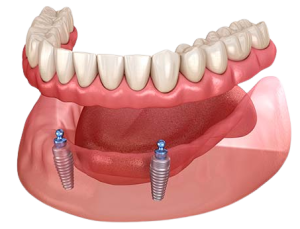
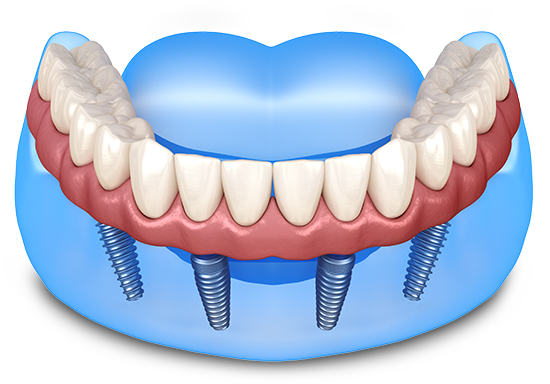


Permanent Zirconia Teeth (Double Arch)
- Complete oral evaluation
- Cone-beam CT scan
- Up to 6 implants per arch
- Provisional and final zirconia prosthesis
- Expert team care for life-changing results
- Can be combined with family members or friends
Solutions that work for daily lives.
With advanced 3D technology and a full surgical and prosthetic lab onsite, we’re proud to deliver fast, precise care that puts your comfort and budget first. Please call (561) 600-4747 if you have any question.
Cost of Implant Dentures
Transparent pricing with flexible financing options to fit your budget

Not sure how to start?
Wondering if permanent teeth are right for you? Want to know more about the cost of whole treatment? Call to schedule a consultation and get your questions answered by our experienced team.
(561) 600-4747Palateless implant dentures can replace your upper teeth without a plate covering the roof of your mouth. Whether that is possible depends on your bone, bite, and the support planned for the denture.
If your current upper denture feels bulky or triggers gagging, a removable snap-in denture or fixed implant bridge may offer less coverage. The choice starts with identifying what causes the discomfort and which design your mouth can support.
What Makes An Upper Denture Palateless?
A palateless upper denture leaves the central roof of your mouth uncovered. Instead of extending across the palate, its base follows the curve of your teeth and gum ridge, usually in a horseshoe shape.
“Horseshoe” describes the shape; “snap-in” describes how a removable denture connects to implants. The distinction matters because an upper denture can snap onto implants and still have a plate covering some or all of the palate.
When discussing treatment, ask to see how much coverage the proposed denture would have. A fully open palate and a smaller palatal plate may feel different, and the design needs enough support and strength to work reliably.
Which Upper Implant Options Leave The Palate Open?
Both a removable implant overdenture and a fixed full-arch bridge can leave the roof of your mouth uncovered. A conventional full upper denture usually needs a palatal plate because contact with the palate helps support it and maintain the seal that holds it in place.
| Upper Tooth Replacement | Palate Coverage | Can You Remove It Yourself? | What Matters Most For The Design? |
|---|---|---|---|
| Conventional full upper denture | Usually covers the hard palate | Yes | Fit and the seal around the denture |
| Removable implant overdenture | May have partial or no palate coverage | Yes | Implant positions, attachments, and denture strength |
| Fixed full-arch implant bridge | No full palatal plate | No | Implant support and room to clean underneath |
Removable Palateless Snap-In Dentures
Removable implant dentures attach to implants through individual connectors or a supporting bar. You take the denture out each day to clean it and the attachments, then put it back in place.
For a palateless version, the implants and denture must work together to support the horseshoe shape. Adding attachments to a conventional upper denture does not automatically mean its central plate can be removed.
This option lets you leave the palate open while keeping direct access for cleaning. Before choosing it, try to understand how the denture comes out and goes back in, particularly if you have difficulty gripping small objects or limited hand strength.
Fixed Upper Implant Bridges
A fixed upper bridge attaches to implants without a full plate across the palate. With an option such as All-on-4 dental implants, the bridge stays in your mouth while you eat, sleep, and clean your teeth. A dental professional handles removal when it is needed.
The daily tradeoff is cleaning access: you do not take the bridge out, so you need to reach underneath it and around the implants. If both fixed and removable options are suitable, the choice should account for that routine as well as how you want your teeth to feel.
Do Palateless Upper Dentures Need Implants?
For a completely toothless upper jaw, implants are usually needed to provide dependable support without a full palatal plate. Removing the center of a conventional denture reduces the contact area and seal that help keep it in place.
Implants can provide another source of support, but their positions and attachments need to suit the denture. The goal is to distribute chewing forces without relying on a plate across the roof of your mouth.
How Many Implants Would You Need?
Current consensus guidance recommends at least four appropriately distributed implants for an upper implant overdenture. Some treatment plans need additional implants or a different arrangement because of the available bone and bite forces. Four implants alone do not establish whether all palate coverage can be removed.
A two-implant approach used for a lower denture should not be assumed suitable for a palateless upper denture. The upper and lower jaws have different bone characteristics and support requirements, so each needs its own assessment.
Can You Have A Palateless Denture With Bone Loss?
Bone loss does not answer the question by itself. What matters is how much usable bone remains, where implants can be placed, and whether those positions can support the planned teeth.
An examination and appropriate imaging help assess the bone, nearby sinuses, and space needed for the denture and attachments. If there is insufficient bone where an implant needs to go, bone grafting may be part of treatment. In other cases, a different implant arrangement may be considered.
The plan should explain what is needed for your proposed denture, rather than treating grafting as an automatic requirement for an open palate.
Will Less Palate Coverage Help With Gagging, Speech, Or Eating?
Less coverage may improve comfort, particularly when the plate itself causes difficulty. The likely benefit depends on the problem you want to solve, so describe what happens with your current denture before choosing a replacement.
Gagging And Bulk
A palateless design may help when contact from the denture triggers your gag reflex. But an edge that extends too far back, movement during use, tissue irritation, or anxiety about something being in your mouth can contribute too. These causes need attention even if you are considering implants.
Explain when gagging happens: as you insert the denture, while swallowing, during meals, or throughout the day. That detail helps distinguish a problem with coverage from one with fit. Sometimes a professional adjustment can address the trigger without changing to implant-supported teeth.
Speech And Tongue Movement
Your speech may change as your tongue adjusts to the shape of new teeth and the surfaces around them. An open palate gives the tongue direct contact with the roof of your mouth, but it does not guarantee clearer speech.
Tooth position, denture thickness, and the contours behind the teeth all affect how you form sounds. Research comparing upper implant restorations shows that speech outcomes vary with the design. If certain words or sounds are difficult with your current denture, mention them so they can be considered during planning and fitting.
Food Sensation And Taste
Leaving the palate uncovered allows food and drinks to touch that area directly. Some people find that meals feel more natural or report an improvement in taste.
A clinical study found higher patient ratings for taste after palatal coverage was removed, although individual experiences vary. This is a possible benefit to discuss, rather than a promise that palateless dentures will restore taste or resolve an unrelated change in taste perception.
Can Your Existing Upper Denture Be Made Palateless?
Sometimes an existing denture can be professionally adapted, but it needs assessment before any material is removed. Its condition, fit, thickness, and compatibility with the planned implants determine whether reuse is practical.
A denture built with a full palatal plate may rely on that material for strength as well as retention. Making it palateless may require reinforcement or substantial changes; in some cases, a new denture is the better option. Cutting out the center yourself can weaken it, affect its fit, and leave rough or sharp edges.
Bring your current denture to the appointment, even if you expect to replace it. Showing where it feels bulky or causes gagging is often more useful than trying to describe the problem without it.
What Is Daily Cleaning Like?
Daily care depends on whether your teeth are removable or fixed. Leaving the palate open does not eliminate the need to clean the denture, its attachments, and the tissues around the implants.
- Removable denture: Take it out daily to clean all denture surfaces and the implant attachments. Use cleansers that are compatible with the denture materials and components.
- Fixed bridge: Clean it in your mouth, including underneath the bridge and around the implants, using tools that fit those spaces.
- Both options: Attend follow-up visits to check tissue health, fit, and wear on the components.
A fixed bridge does not necessarily need removal at every hygiene visit. That decision depends on clinical findings and whether the dental team can adequately examine and clean around it.
Ask for a demonstration before choosing a design. Being able to reach the necessary areas comfortably—or having reliable assistance—is part of deciding whether an option will work for you.
What Should Your Evaluation Help You Decide?
A palateless denture evaluation should establish how much palate coverage can be removed while keeping your upper teeth stable, comfortable, and manageable to clean.
Start with the concern that matters most to you, whether that is gagging, bulk, or discomfort during meals. Then discuss the practical details:
- Can the final teeth leave the palate completely uncovered?
- Would a removable denture or fixed bridge better suit your mouth and cleaning needs?
- How many implants would be needed, and why?
- Could your existing denture be adapted, or would you need a new one?
- What teeth would you wear during healing, and would those cover the palate?
- What adjustments, attachment replacements, and professional maintenance should you expect?
The written estimate should match the proposed design and identify any separate procedures or maintenance costs. A general implant-denture price may cover a different restoration, so it may not reflect what is needed to leave your palate open.
You should leave knowing whether reduced coverage is likely to address your main concern, what support it would require, and how you would care for the finished teeth.
Frequently Asked Questions
Our Difference
No referrals needed
Referrals and waiting
Years of expertise
Limited experience
Immediate functionality
Temporary solutions
Precision placement
Less accurate
Flexible financing
Unexpected costs
Warranty protection
No guarantees
Boynton Beach, FL 33472
Explore Palateless Upper Dentures in Boynton Beach, FL
If you’re living with loose dentures, it’s time to rethink what’s possible. Implant-supported dentures in Boynton Beach, Florida offer more than just better function; they give you the confidence to smile, chew, and speak with ease again.
Book your free consultation to see if snap-in dentures are a fit for your needs, discuss flexible payment plans, and regain control of your daily routine. Our Palm Beach County dental office serving areas:
- Implant Dentures in Boynton Beach
- Implant Dentures in Port St. Lucie
- Implant Dentures in Aberdeen
- Implant Dentures in West Palm Beach
- Implant Dentures in Boca Raton
- Implant Dentures in Wellington